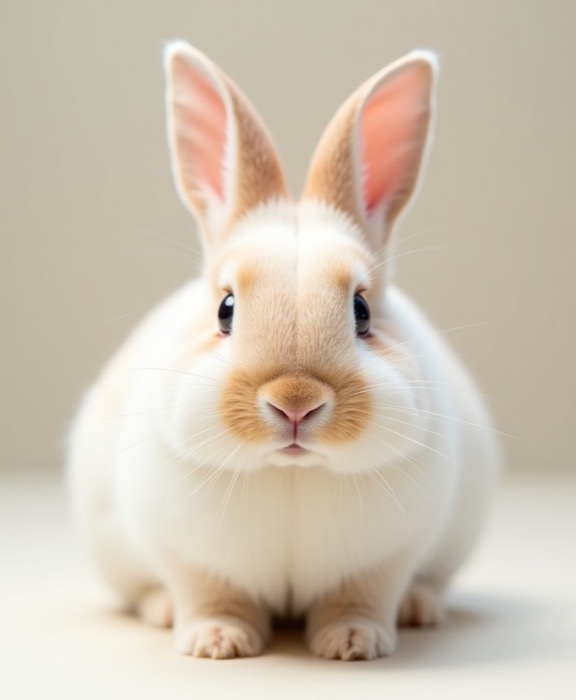
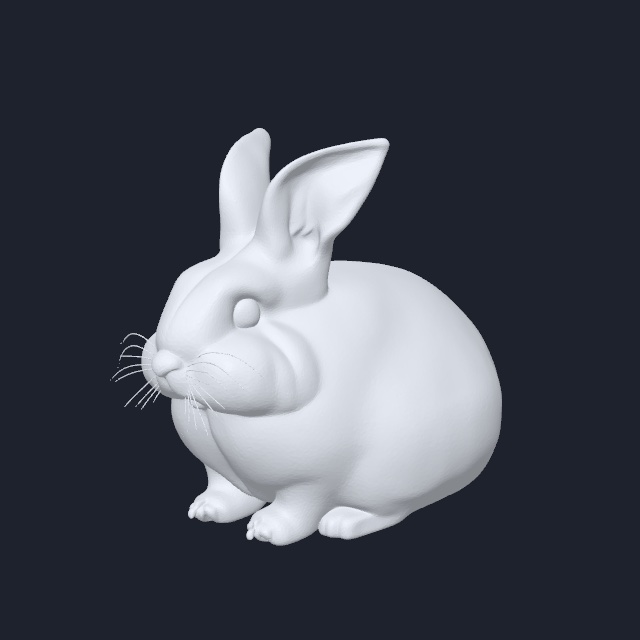
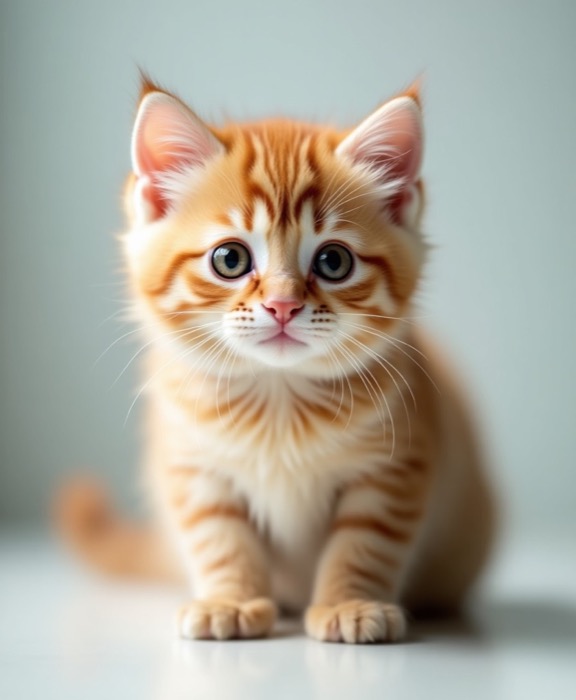
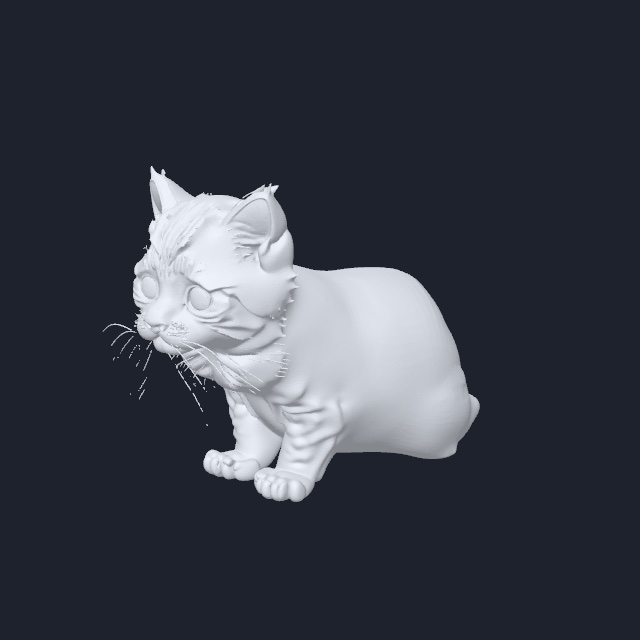
To turn a toy into an STL, stand one toy on a plain table, photograph it from the front or a slight three-quarter angle with the whole toy in frame, and upload the photo. Stlify AI rebuilds the body, face, clothes and pose as a solid 3D model in about 1–5 minutes. Choose a height from 20 to 300 mm, add a round base if you like, and download STL, OBJ, Colour OBJ or GLB.
Replicas, display pieces and a backup of a beloved toy
Collectors print a larger or smaller copy of an action figure for a shelf. Parents make a backup of a child’s favourite plush, so a printed keepsake stays when the real one wears out or gets lost on holiday. Others print a figure they owned as a child and only have in an old photo. Because the model comes from your photo, it shows your toy as it is, including its pose and wear.
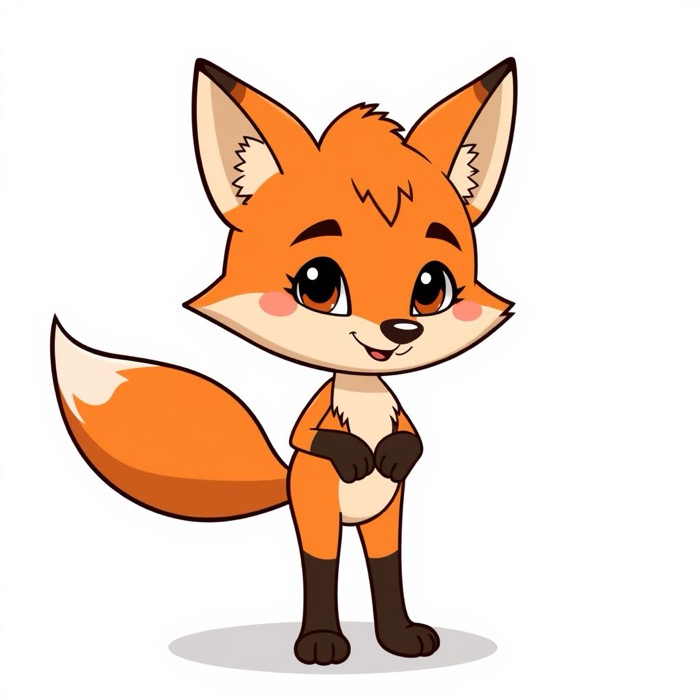
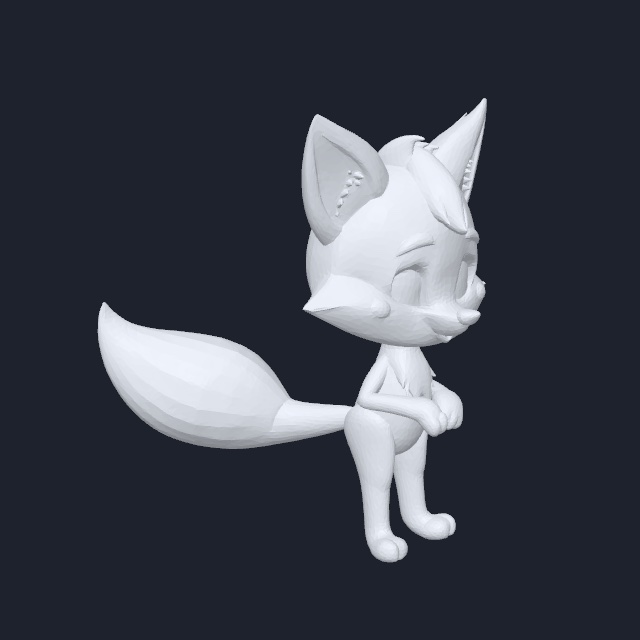
How to photograph a toy for 3D
- Stand or sit the toy upright on its own; prop it from behind if it falls over.
- Put it on a plain table against a plain wall or a sheet of paper.
- Hold the phone at the toy’s chest height, not from above.
- Use a front or slight three-quarter angle so the face and the sides are both visible.
- Keep the whole toy in frame with some margin, including feet, ears and tail.
- Use soft daylight; flash makes glossy plastic shine and flattens plush.
Sizes for toy prints
| Use | Height to set | Printer tip |
|---|---|---|
| Mini or charm | 30–50 mm | Resin, or FDM at 0.08 mm |
| Shelf replica | 80–150 mm | FDM at 0.12 mm, round base on |
| Life-size plush backup | 150–300 mm | FDM at 0.16–0.2 mm, hollow in the slicer |
Action figures, plush toys and collectibles
Action figures and collectible figures come out with their pose, armour and costume shapes. Very thin swords, antennas and accessories are often merged or thickened, so print a little larger or add them back in paint. Plush toys become a solid, smooth surface: the fluff is smoothed into soft folds, which looks good painted and dry-brushed. Glossy vinyl and hard plastic toys work well in soft light.
Branded toys: personal use only
Many toys are trademarked or copyrighted characters. A replica of your own toy for your shelf or as a keepsake is personal use. Selling prints of branded characters, or sharing the files publicly, can infringe the rights of the toy maker, so keep those prints for yourself. Your own designs, handmade toys and unbranded plush are yours to use as you like.
If the toy looks wrong
- Hand or table merged in: let the toy stand on its own and crop the photo around it.
- Flat or thin model: use a three-quarter view instead of a straight side view.
- Lumpy surface on shiny plastic: reflections were read as shape; reshoot in softer light.
- Parts missing: make sure arms, ears and tails are clearly separated from the body in the photo.
FAQ
Can I make an STL of a toy from one photo?
Yes. One clear photo of the toy standing on its own, with the whole toy in frame, is enough for a printable STL.
Can I make a backup of my child’s favourite plush?
Yes, as a printed keepsake. The fabric becomes a solid surface, so it will not be soft, but the shape, face and pose are kept.
Is the back of the toy accurate?
The back is generated by the AI from one front photo, so it is a plausible guess. Check it in the 3D viewer before printing.
Can I sell prints of branded action figures?
No. Prints of trademarked or copyrighted characters are for personal use; selling them can infringe the toy maker’s rights.
What if the model fails?
If a model fails, the credits are refunded automatically. You can create and download one custom model from US$1.99.